Mastering Loose Leaf Tea: Main Advantages, Optimal Steeping Techniques, and Finest Brands
Loose leaf tea delivers a rich tapestry of flavors and advantages that set it apart from traditional tea bags. Understanding the vital steeping methods can enhance the tea experience considerably. However, many aficionados miss common pitfalls that can detract from the flavor. Additionally, knowing how to choose the right tea is crucial. This guide will examine these aspects and more, offering insights that might change how one engages with this ancient beverage.
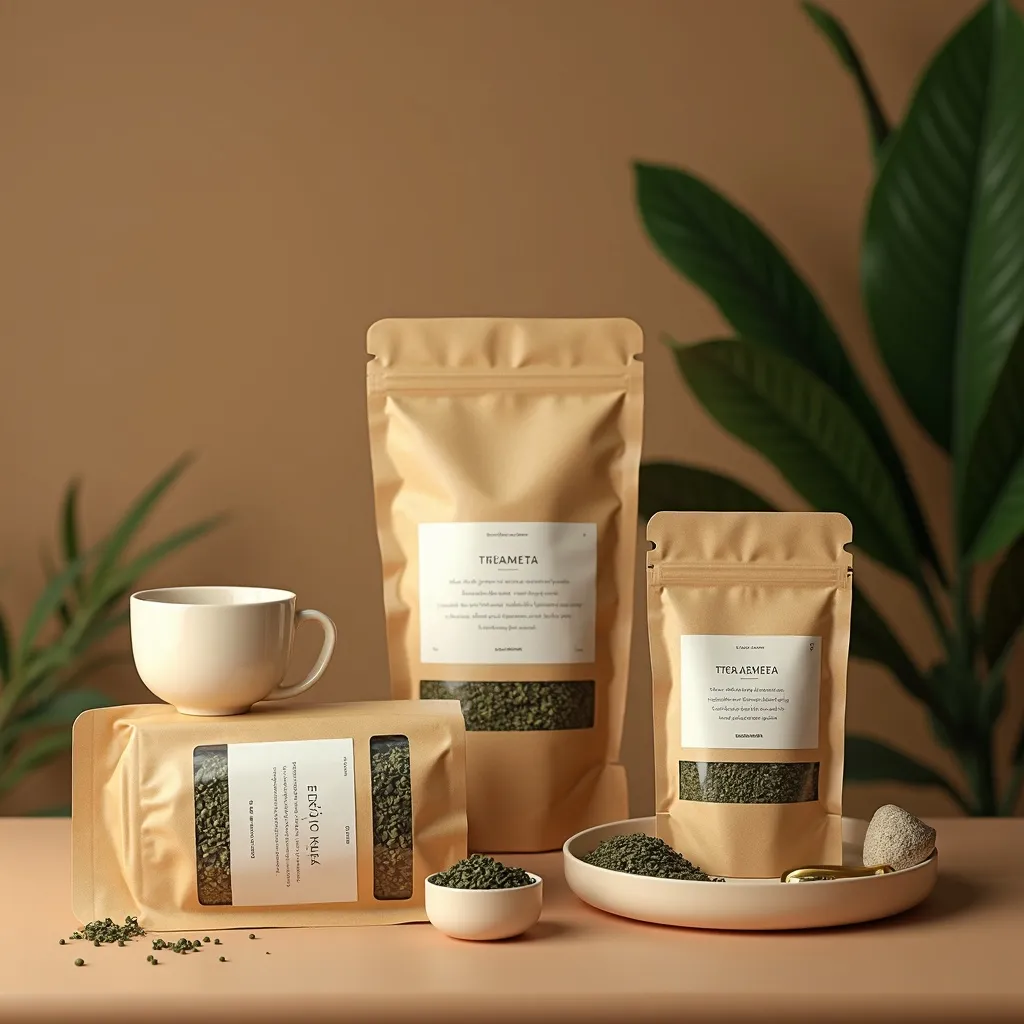
Fundamental Steeping Approaches for Perfect Loose Leaf Tea
Brewing loose-leaf tea can turn a basic beverage into a delightful experience. The journey begins with selecting high-quality leaves, as the flavor and aroma largely depend on their freshness. A precise water temperature is essential; various kinds of tea require specific ranges to release their full potential. For example, delicate green teas flourish at lower temperatures, while robust black teas benefit from boiling water.
It is vital to measure the correct amount of tea, usually one teaspoon per cup. The steeping time is crucial in developing the taste; over-steeping can cause bitterness. Using an appropriate infuser lets the leaves expand and fully release their flavors. Finally, drinking the tea without distractions enhances the experience, letting the drinker savor the subtleties of flavor and aroma. Mastering these methods promises a perfect cup of loose leaf tea every time.
Frequent Pitfalls to Sidestep When Steeping Loose Leaf Tea
Plenty of tea admirers overlook common oversights that can lessen the merit of their loose leaf tea. One frequent error involves using water that is too hot or too cold, which can lead to surplus extraction or deficient extraction of components. Additionally, failing to measure the tea leaves accurately can result in a brew that is either too weak or overly bitter. Another regular mistake is neglecting to steep for the designated interval; different teas require particular steeping times to reveal their full promise. Moreover, using unfiltered water can impart unwanted tastes, compromising the tea's taste. Finally, failing to maintain brewing equipment regularly may lead to residual flavors from previous brews, affecting the current cup. By avoiding these common pitfalls, tea lovers can refine their brewing process and enjoy a more satisfying loose leaf tea experience.
Discovering the Flavor Dimensions of Loose Leaf Tea
A wide variety of taste characteristics exists within loose leaf tea, each providing distinct flavor sensations. These profiles can differ significantly based on factors such as the type of tea leaves, growing conditions, and processing methods. For instance, green teas often exhibit grassy or vegetal notes, while black tea varieties can showcase robust, grain-like tastes with hints of chocolate or caramel. Oolong tea may connect these profiles, showcasing floral and fruit undertones.
Although not strictly tea, herbal teas offer their own distinct tastes, ranging from the stimulating mint of peppermint to the rich tones of rooibos. White teas are prized for their delicate, subtle sweetness and lightness, often evoking a sense of calm. Understanding these taste characteristics enables tea lovers to discover and enjoy the vast selection read more of flavors, improving their overall tea-drinking experience. Each cup can become a journey through different regions and cultures, reflecting the craftsmanship behind loose leaf tea.
How to Choose the Perfect Loose Tea Leaves for You?
Selecting the ideal tea leaves can be a enjoyable but difficult task for many enthusiasts. To explore this expansive variety, one must consider personal preferences, such as flavor, aroma, and wellness advantages. Initially, identifying the preferred taste characteristics—whether flowery, fruit-based, or grounded—can notably reduce choices.
Next, understanding the caffeine amount is vital; some may choose the invigorating impact of black tea, while others might prefer the relaxing properties of herbal blends. Additionally, examining different tea origins can provide unique taste experiences, as each region bestows distinct characteristics.
Finally, considering any wellness advantages linked to specific teas, like green tea's antioxidants or digestive support in herbal infusions, can additionally inform the choosing process. By thinking about these factors, tea enthusiasts can assuredly select a loose leaf tea that aligns with their preferences and health objectives.
Premium Brands for Dried Leaf Tea
When considering the best brands for loose leaf tea, it is vital to contemplate both artisan selections and budget-friendly options. Artisan brands often supply distinctive blends and premium ingredients, attractive to tea experts. Conversely, affordable daily options can deliver satisfying flavors without overspending, making them available for regular enjoyment.
Top Artisan Labels
While tea aficionados often search for excellent taste and character, the decision regarding specialty producers can significantly boost the loose leaf tea experience. Artisan brands are famous for their precise sourcing and crafting techniques, which deliver remarkable taste profiles and individual blends. Important names include Adagio Teas, esteemed for their broad range and focus on freshness, and Harney & Sons, known for their beautiful presentation and superior ingredients. Yet another highlight is Steven Smith Teamaker, which emphasizes limited quantity creation, assuring each tea captures its origin's character. In conclusion, Rishi Tea highlights environmental responsibility and organic sourcing, drawing in environmentally aware consumers. These brands illustrate the craftsmanship of loose leaf tea, offering connoisseurs a marvelous adventure through flavor and heritage.
Budget-Friendly Routine Solutions
Affordable regular options in loose leaf tea provide a pleasant way for tea lovers to enjoy premium brews without breaking the bank. Brands like Harney & Sons, known for their broad range and fair pricing, offer tasty blends that cater to various preferences. Similarly, Adagio Teas excels with its cost-effective sampler packs, allowing consumers to explore different tastes without a big expense. For those seeking organic choices, The Tea Spot provides high-quality loose leaf teas at affordable rates. Finally, Stash Tea combines cost-effectiveness with a varied assortment of options, making it easy for tea lovers to find their perfect cup. These brands prove that enjoying top-tier loose leaf tea doesn't have to come at a large expense.
Caring for Your Loose Leaf Tea: Helpful Tips
Adequate storage is critical for sustaining the taste and aroma of loose leaf tea. Picking the right containers, together with controlling temperature and humidity, can markedly extend the tea's lifespan. Comprehending these considerations will help tea aficionados preserve their favorite blends in good form.
Optimal Preservation Containers
When choosing ideal storage containers for loose leaf tea, one must consider factors such as light exposure, air circulation, and moisture control. Vessels should be non-transparent to shield tea from sunlight, which can diminish flavor and scent. Airtight seals are crucial to prevent air from getting in, maintaining quality. Substances like metal, glass, or ceramic are preferable, as they do not absorb odors or dampness. Avoid plastic vessels, which may impart undesirable tastes. Moreover, it is advantageous to choose vessels with a wide mouth for convenient handling and cleaning. Ultimately, the right storage method will not only preserve the tea's quality but also enhance the overall brewing experience, guaranteeing each cup is as enjoyable as intended.
Ideal Warmth and Humidity Equilibrium
The preservation of loose leaf tea copyrights greatly on ideal temperature and humidity levels. To maintain freshness, tea should be kept in a cool and dry location, preferably between 60°F to 75°F (15°C to 24°C). Excessive heat can lead to flavor degradation, while colder temperatures may cause moisture condensation. Humidity levels should remain below 70% to prevent mold and spoilage. Airtight containers, preferably opaque to block light, further protect tea from environmental factors. When traveling or in humid climates, a desiccant packet can help soak up excess moisture. By following these guidelines, tea lovers can guarantee their loose leaf tea maintains its vibrant flavor and beneficial properties for an longer time. Proper storage is essential for experiencing the full potential of every cup.
The Outstanding Perks of Loose Leaf Tea
While many tea drinkers relish the simplicity of tea bags, loose leaf tea offers a spectrum of remarkable benefits that enhance the overall experience. One significant merit is the excellent quality of the tea leaves. Whole leaf forms typically consist of whole, unbroken leaves, which retain more flavor compounds and oils alongside the dust and fannings often found in tea bags. This generates a more complex, more fragrant tea.
Additionally, whole leaf tea delivers enhanced command over the tea preparation. Tea aficionados can conveniently adjust the quantity of leaves and steeping time to meet their preferences, permitting a personalized flavor profile. The larger leaves also expand during steeping, supporting improved infusion and nutrient absorption.
Finally, premium tea leaves is often more planet-friendly, as it typically comes without the pollution from individual tea bags. Overall, these benefits provide a more rewarding and eco-conscious tea-drinking experience.
Regularly Asked Questions
Is It Possible to Reuse Loose Leaf Tea for Repeated Brews?
Yes, whole leaf tea can be reused for multiple brews. Each successive infusion often produces varied flavors, enriching the tasting experience. However, the frequency of resteeping is determined by the specific tea type and quality.
How Long Will Loose Leaf Tea Remain Fresh?
Loose leaf tea usually remains fresh for six to twelve months when stored correctly in an airtight container, protected from brightness, moisture, and strong odors. After this period, flavor and aroma slowly decrease.
What Accessories Do I Require for Loose Leaf Tea?
Preparing loose leaf tea demands a teapot or infuser, a kettle for heating water, a spoon for measurement for precise amounts, and a timer to ensure optimal brewing time for the best flavor.
Is Loose Leaf Tea More Costly Than Bagged Tea?
Loose leaf tea often be more expensive compared to bagged tea on account of top-quality leaves and a more sophisticated manufacturing process. However, many admirers maintain the exquisite taste and experience justify the extra cost.
Can I Mix Multiple Kinds of Loose-leaf Tea?
Yes, multiple kinds of loose leaf tea can be fused. Blending different tastes and fragrances enables unique blends, improving the tasting experience. Experimenting with proportions can bring about delightful and bespoke tea creations.
Comments on “Your trusted source for canadian loose leaf tea”